
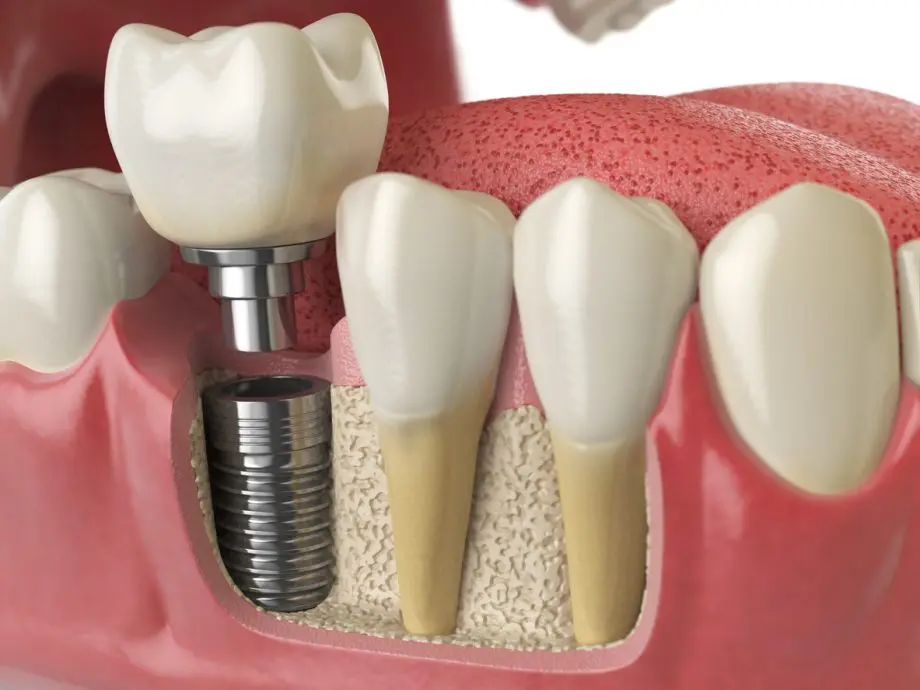
Dental implants are a reliable, long-term solution for restoring your smile. However, proper care after implant surgery is essential to ensure successful healing. Without good post-operative care, patients may experience increased pain, stress, swelling, or complications that could compromise the implant.
That’s why we’ve put together this helpful guide to managing your oral health after receiving dental implants.
Dos and Don’ts of Short-Term Oral Care Post-Op
-
Keep the Surgical Area Clean
Keeping the surgical area clean after your procedure is critical. During healing, the mouth is especially vulnerable to infection due to exposed tissue. Avoid foods that can lodge in crevices, and use an antimicrobial mouthwash as directed.
Rinsing gently with saltwater can also help eliminate bacteria. Without proper care, infections can lead to swelling, pain, and potential implant failure. -
Take Prescribed Pain Medication and Antibiotics
Your oral surgeon may prescribe pain medication and antibiotics following surgery. These help manage discomfort, reduce swelling, and prevent infection.
Patients should also use gauze to control bleeding and apply ice packs during the first 24 hours to minimize inflammation. -
Stick to Soft Foods and the Recommended Diet
Diet plays a major role in healing after dental implant surgery. Avoid hard, crunchy, or chewy foods during the first few weeks. Instead, choose soft options such as soups, oatmeal, yogurt, and custards.
These foods are less likely to irritate the surgical site or damage the implant during chewing. Extremely hot or cold foods should also be avoided. -
Adjust Eating Habits as Advised
Chewing directly on the implant site should be avoided during early healing. Foods like popcorn, nuts, and crackers can get stuck near the implant and cause irritation, bleeding, or infection.
-
Avoid Tobacco and Alcohol
Smoking and alcohol can interfere with healing and irritate the implant site. While they may seem to temporarily ease discomfort, both can significantly slow recovery and increase the risk of complications.
-
Limit Physical Activity
Strenuous activity can increase blood pressure and disrupt healing, potentially causing bleeding or pain. Rest and light activity are recommended during the initial recovery period.
Long-Term Implant Care
Over the coming months, use a soft-bristled toothbrush and avoid applying excessive pressure to the implant area. Routine checkups are essential to monitor healing and ensure long-term implant success.
Trust the Experts at Boston Oral Surgical
For expert implant care and personalized post-operative guidance, trust Boston Oral Surgical for all your oral surgery needs. Contact us today at 617-302-8203 to schedule a consultation and ensure your dental implants heal properly and last for years to come.